Professional Country Pavilion Exhibition Design & National Pavilion Solutions by Thailand Stand Builder
When countries participate in international exhibitions, world expos, trade fairs, tourism expos, investment summits, or cultural events, they require more than a standard exhibition booth. They need a pavilion that represents their national identity, economic strength, innovation, tourism potential, and cultural heritage. At Thailand Stand Builder, we specialize in Country Pavilion Exhibition Design that combines architectural creativity, strategic branding, advanced exhibition technology, and flawless execution to create unforgettable international exhibition experiences.
A country pavilion serves as a national showcase. It becomes a platform for promoting exports, attracting foreign investment, strengthening diplomatic relationships, supporting tourism campaigns, and presenting a country’s achievements to a global audience. Our experienced design and construction team develops immersive pavilion environments that inspire visitors, encourage business engagement, and create lasting brand impressions. Whether you require a Country Pavilion Design, National Pavilion Exhibition Design, Expo Pavilion Design, or a complete Pavilion Exhibition Stand Design, we provide comprehensive design-and-build solutions tailored to your objectives.
With years of experience in exhibition stand construction and international pavilion development, Thailand Stand Builder understands the technical, cultural, and commercial requirements of large-scale exhibition projects. Our team works closely with government organizations, tourism boards, trade promotion agencies, export councils, embassies, and international exhibitors to deliver pavilion projects that meet world-class exhibition standards.
What Is Country Pavilion Exhibition Design?
Country Pavilion Exhibition Design is the process of designing and constructing a dedicated national exhibition pavilion that represents a country at international trade shows, expos, and industry events. Unlike ordinary exhibition booths, a country pavilion is designed to communicate national identity through architecture, materials, graphics, multimedia, cultural elements, and visitor experiences.
A successful Country Pavilion Exhibition Stand should achieve multiple objectives simultaneously. It should attract attention from a distance, communicate a strong national message, guide visitors naturally through the pavilion, provide areas for business meetings and networking, display products and services effectively, integrate cultural storytelling, and support media coverage and international promotion.
Our design philosophy focuses on creating pavilions that are visually iconic, functionally efficient, and strategically aligned with the goals of each participating country. Every pavilion is designed to reflect national values while providing exhibitors with a practical and high-performing exhibition environment.
Why Country Pavilion Design Matters in International Exhibitions
International exhibitions are highly competitive environments where hundreds of countries, organizations, and brands compete for visitor attention. A professionally executed Country Pavilion Design gives participating nations a significant competitive advantage by increasing visibility, improving visitor engagement, and enhancing international credibility.
An effective pavilion helps countries:
· An effective pavilion helps countries:
· Showcase national innovation and technology
· Promote tourism destinations
· Support export-oriented industries
· Attract investors and international partners
· Highlight cultural heritage and traditions
· Strengthen government and diplomatic relationships
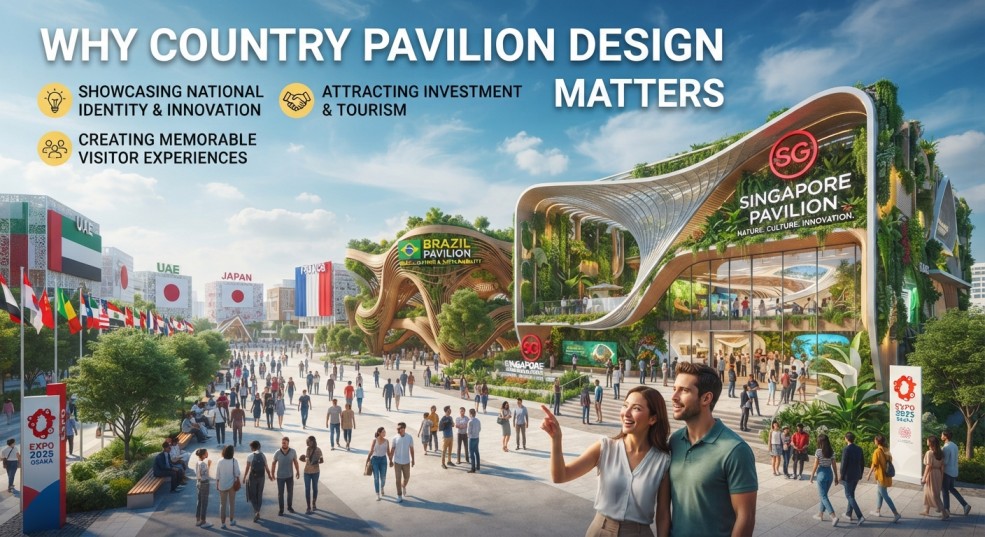
· Create memorable visitor experiences
Our pavilion designs are developed with these objectives in mind, ensuring that every architectural element, branding component, and visitor interaction contributes to measurable exhibition success.
Custom Country Pavilion Exhibition Design Services
At Thailand Stand Builder, every pavilion project begins with a deep understanding of the client’s objectives. We believe that no two countries should have identical pavilion designs. Our Custom Country Pavilion Design approach ensures that each pavilion reflects the unique culture, architecture, economy, and strategic goals of the participating nation.
Our comprehensive services include:
· Country Pavilion Exhibition Design
· Country Pavilion Design
· Country Pavilion Stand Design
· Country Pavilion Booth Design
· Country Pavilion Exhibition Stand
· Country Pavilion Trade Show Booth
· Custom Country Pavilion Design
· Country Showcase Pavilion Design
We manage the complete pavilion development process, including concept creation, space planning, architectural design, 3D visualization, structural engineering, fabrication, logistics, installation, on-site supervision, and dismantling. This integrated approach allows us to maintain consistent quality while ensuring efficient project delivery.
National Pavilion Exhibition Design for Government & Institutional Projects
Government organizations and official national delegations require a higher level of professionalism, coordination, and technical expertise. Our National Pavilion Exhibition Design services are specifically developed for ministries, trade promotion agencies, tourism authorities, investment boards, export councils, and international government organizations.
We provide:
1. National Pavilion Exhibition Design
2. National Pavilion Stand Design
3. National Pavilion Booth Design
4. Custom National Pavilion Design
5. National Pavilion Builder
Our team understands the protocols and operational requirements associated with official government participation at international exhibitions. We coordinate with organizers, venue authorities, contractors, and government representatives to ensure compliance with exhibition regulations and successful project execution.
Expo Pavilion Design with Architectural Impact
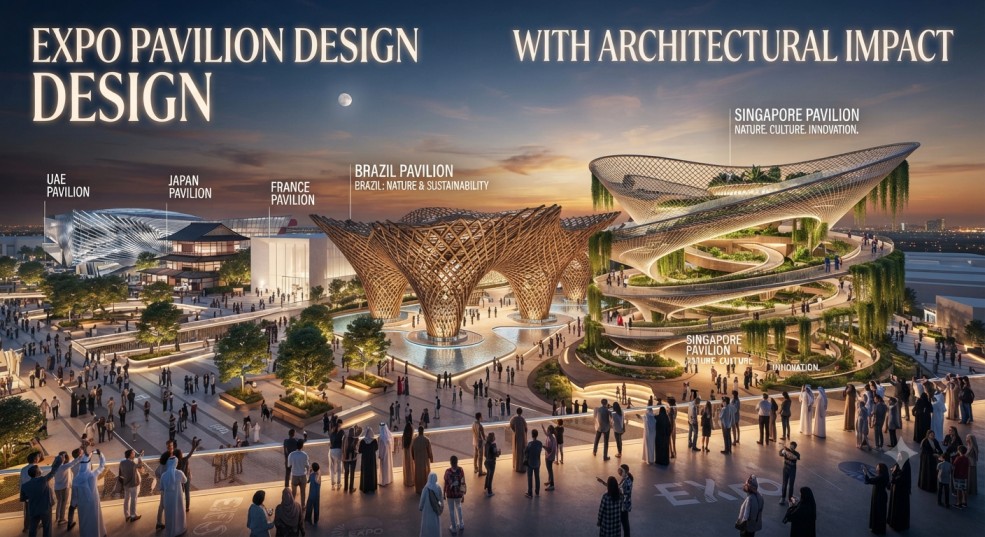
Large international expos demand bold architectural thinking and exceptional technical execution. Our Expo Pavilion Design solutions are created for countries that want to establish a strong presence at world expos, tourism expos, technology exhibitions, sustainability expos, and international trade events
We specialize in:
ü Expo Pavilion Design
ü Expo Pavilion Exhibition Design
ü Expo Stand Pavilion Design
ü World Expo Pavilion Design
ü International Expo Pavilion Builder
Our pavilion concepts combine contemporary architecture, immersive storytelling, interactive technology, digital displays, LED integration, sustainable materials, and visitor-centered planning. The result is a pavilion that not only attracts high visitor traffic but also communicates a powerful national message through design and experience.
Exhibition Pavilion Design That Drives Engagement
A successful Exhibition Pavilion Design must balance aesthetics with functionality. Visitors should be able to navigate the pavilion comfortably while exhibitors can conduct meetings, presentations, product demonstrations, and networking activities efficiently.
Our Pavilion Exhibition Stand Design services focus on creating exhibition environments that maximize both visitor engagement and business performance. We carefully plan circulation paths, product display areas, hospitality zones, presentation stages, meeting rooms, multimedia installations, and branding elements to ensure a seamless and impactful visitor journey.
Whether the pavilion is promoting tourism, manufacturing, agriculture, technology, education, healthcare, culture, or investment opportunities, our design team creates customized exhibition experiences that support measurable commercial outcomes.
International Pavilion Design & Global Project Management
As a leading exhibition stand company in Thailand, we serve clients participating in exhibitions across Southeast Asia, Europe, the Middle East, and other international markets. Our International Pavilion Design capabilities allow governments and organizations to maintain a consistent national identity across multiple global exhibitions.
We provide:
1. International Pavilion Design
2. International Exhibition Pavilion
3. International Pavilion Exhibition Design
4. International Country Pavilion Stand
Our international project management team handles logistics, customs coordination, transportation, installation scheduling, venue compliance, contractor management, and on-site execution. This ensures that clients can focus on their exhibition objectives while we manage the technical complexities of international pavilion delivery.
Complete Country Pavilion Exhibition Design Process
Creating a successful national pavilion requires a well-organised process from concept development to final installation. A professional Country Pavilion Exhibition Design company generally follows several stages to ensure that the pavilion meets the exhibition's technical requirements as well as the country's branding and communication objectives.
The first stage is understanding the purpose of the pavilion. Some countries participate in exhibitions to promote tourism, while others focus on trade, investment, technology, manufacturing, culture, education, or international partnerships. Understanding these objectives helps designers create a pavilion that supports the desired outcome.
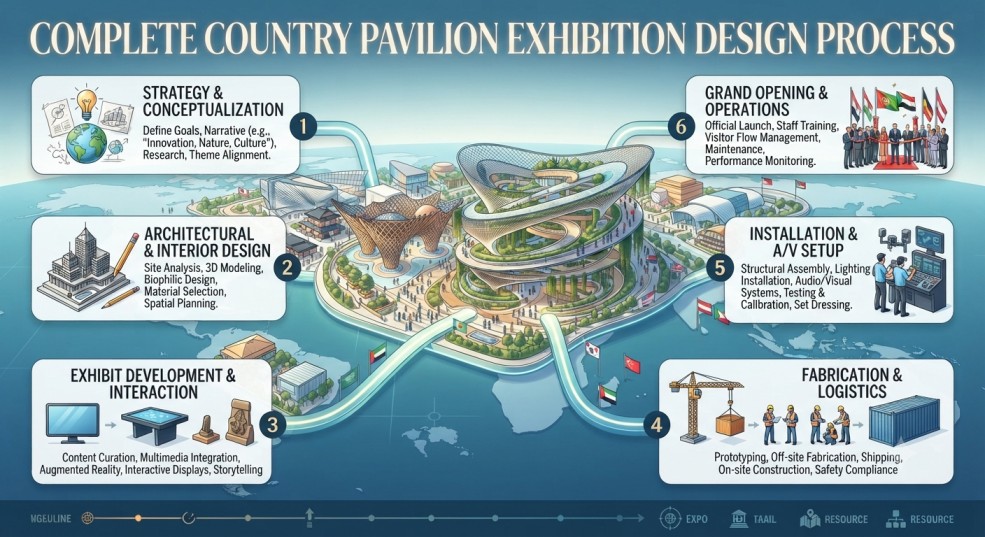
The next stage involves developing the overall concept. Designers determine the architectural style, visitor journey, branding approach, display areas, meeting spaces, hospitality zones, and technology requirements.
After the concept is approved, detailed 3D visualisations can be developed. These visualisations allow stakeholders to understand how the finished Country Pavilion Design will look before manufacturing begins.
Concept Development for National Pavilions
The concept is the foundation of an effective National Pavilion Exhibition Design. It should answer one important question:
What should visitors remember about the country after leaving the pavilion?
The answer can influence every aspect of the design.
For example, a country promoting innovation may choose a futuristic architectural concept with immersive digital experiences. A country promoting tourism may create a visually rich environment featuring landscapes, cultural destinations, hospitality experiences, and interactive travel information.
Similarly, a country focusing on international trade may prioritise business meeting spaces, company showcases, product demonstrations, and networking areas
The concept should therefore connect the country's strategic objectives with a visually powerful exhibition environment.
3D Visualisation and Pavilion Design
3D design plays an important role in modern Expo Pavilion Design. It allows clients and stakeholders to see the proposed pavilion from different perspectives before production begins.
1. Pavilion entrance
2. Architectural structure
3. Branding placement
4. Lighting
5. Meeting rooms
6. Product displays
7. Digital screens
8. Visitor pathways
9. Hospitality areas
10. Reception counters
11. Storage spaces
12. Cultural installations
This makes it easier to identify potential design improvements at an early stage.
A detailed 3D model also helps manufacturers understand the structure and ensures that the final construction remains consistent with the approved concept.
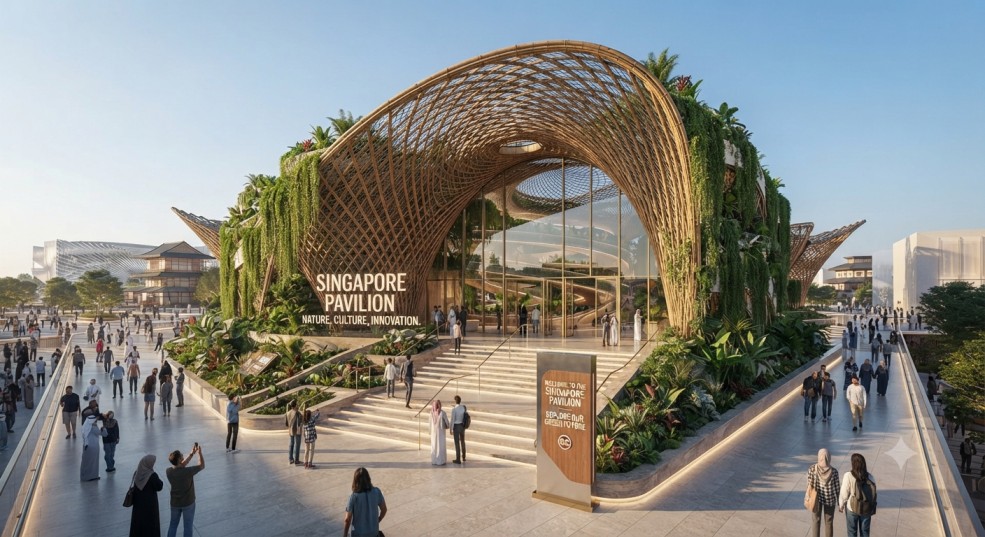
Creating a Powerful Pavilion Entrance
B. National identity
C. Official logo
D. Tourism branding
E. Government branding
F. Sector-specific branding
G. Participating company logos
H. Event branding
The entrance is often the first point of contact between visitors and a country pavilion.
A strong entrance should be clearly visible from the exhibition aisle and communicate the country's identity immediately.
Architectural elements such as large national branding, illuminated structures, digital screens, unique shapes, overhead signage, and distinctive design features can help create a strong first impression.
However, the entrance should not become so complicated that it blocks visitor movement. The best Pavilion Exhibition Stand Design balances visual impact with accessibility.
Branding in Country Pavilion Stand Design
Branding is one of the most important elements of Country Pavilion Stand Design.
The pavilion may need to incorporate:
A. Country name
The challenge is to maintain a clear hierarchy.
The national identity should remain prominent, while individual companies and organisations should receive appropriate visibility within their allocated spaces.
A consistent typography system, colour palette, signage approach, and graphic language can make the entire pavilion look professional and unified.
Product Display Areas
For trade-focused exhibitions, product presentation is an important part of Custom Pavilion Exhibition Design.
Products should not simply be placed on shelves or tables. The display should explain why the product matters.
Depending on the industry, the pavilion can use:
I. Demonstration counters
II. Interactive product displays
III. Transparent showcases
IV. Digital information screens
V. Product samples
VI. Technical diagrams
VII. Video presentations
VIII. Demonstration zones
IX. Live product experiences
The display strategy should make it easy for visitors to understand the product, its application, and its value.
Meeting Areas for International Business
International exhibitions often generate valuable business opportunities. Therefore, meeting areas should be an integral part of an International Pavilion Design.
The meeting area can range from open discussion tables to enclosed executive meeting rooms.
For high-level meetings, private rooms may include:
1 Comfortable seating
2 Meeting tables
3 Display screens
4 Charging points
5 Acoustic treatment
6 Branding
7 Storage
8 Hospitality facilities
For casual networking, open lounge seating may be more suitable.
The objective is to create different types of spaces for different levels of interaction.
Hospitality Areas
Hospitality can significantly improve the visitor experience inside a national pavilion.
A well-designed hospitality zone provides visitors with a comfortable place to rest, interact, and continue conversations.
Depending on the exhibition and cultural requirements, hospitality areas may include:
I. Coffee counters
II. Refreshment stations
III. Lounge seating
IV. Cultural food experiences
V. Informal meeting areas
VI. VIP hospitality rooms
These areas can also become an opportunity to communicate national culture and hospitality.
Interactive Experiences
Visitors are more likely to remember experiences than static information.
For this reason, interactive elements can play a major role in modern Trade Show Pavilion Design.
Interactive experiences may allow visitors to:
ü Explore a country's geography
ü Discover tourist destinations
ü Learn about industries
ü Explore export products
ü Watch digital presentations
ü Interact with national statistics
ü Experience cultural content
ü Explore innovation and technology
The interaction should always serve a communication objective rather than being included simply because it looks impressive.
Accessibility in Pavilion Design
Accessibility should be considered during the planning of every Country Pavilion Exhibition Design.
Visitors may have different mobility requirements, and the pavilion should provide comfortable access wherever possible.
Design considerations can include:
· Accessible entrances
· Appropriate pathway widths
· Clear signage
· Accessible meeting areas
· Suitable counter heights
· Unobstructed circulation
· Easy-to-understand information
An inclusive pavilion provides a better experience for a wider audience and reflects a professional approach to international exhibition participation.
Storage and Operational Planning
Storage is often overlooked during the early design stage, but it is essential for a functional pavilion.
The pavilion may need storage for:
§ Marketing materials
§ Product samples
§ Promotional items
§ Staff belongings
§ Cleaning supplies
§ Hospitality supplies
§ Equipment§ Packaging materials
A professional Country Pavilion Design should integrate storage discreetly into the overall structure so that operational areas do not interfere with the visitor experience.
Staff Areas and Back-of-House Facilities
The pavilion staff may spend several days working inside the exhibition environment. Their requirements should therefore be considered alongside visitor requirements.
Depending on the pavilion size, back-of-house facilities can include:
I. Staff storage
II. Small pantry
III. Staff seating
IV. Equipment storage
V. Service access
VI. Private preparation areas
Separating these areas from public zones helps maintain a clean and professional visitor environment.
Graphics and Visual Communication
Graphics can turn an architectural structure into a communication platform.
A Country Pavilion Exhibition Design may use large-format graphics to present:
1. National achievements 2. Tourism information
3. Export sectors 4. Economic opportunities
5. Innovation 6. Cultural heritage
7. Major industries 8. Investment opportunities
Graphics should be visually attractive while remaining easy to read from an appropriate distance.
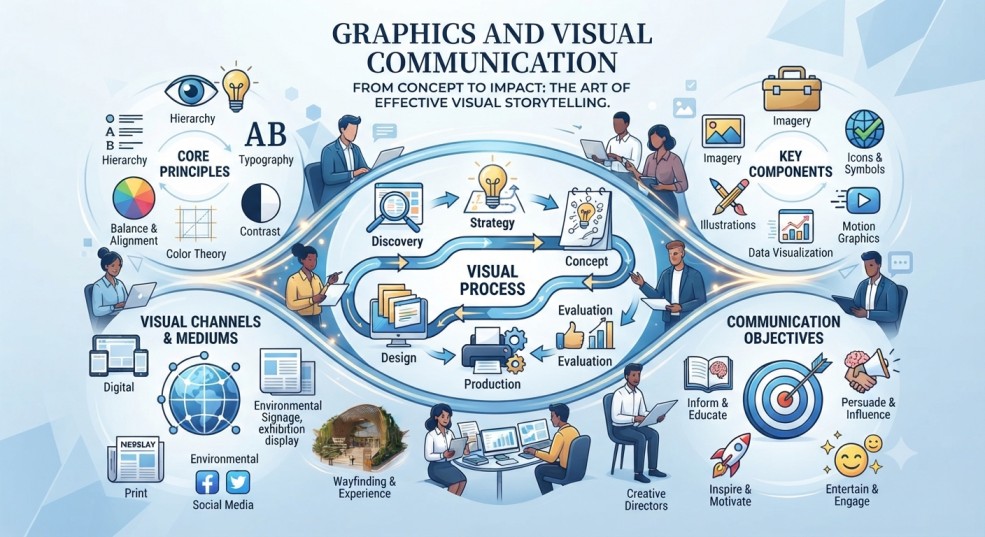
Large amounts of text can make an exhibition environment feel crowded. Instead, key information should be communicated using strong headlines, visuals, statistics, diagrams, icons, and short supporting messages.
Architectural Innovation in World Expo Pavilion Design
Large international events often encourage countries to develop highly distinctive architectural concepts.
World Expo Pavilion Design can push the boundaries of exhibition architecture by combining advanced materials, sustainable construction, immersive technology, and cultural storytelling.
The architecture itself can become part of the visitor attraction.
A unique pavilion structure can generate:
1. Media attention
2. Social media engagement
3. Visitor interest
4. Photography opportunities
5. Brand recognition
6. International visibility
However, architectural creativity should always be balanced with safety, accessibility, exhibition regulations, budget, and practical construction requirements.
Modular and Reusable Pavilion Structures
Not every country requires a completely permanent exhibition structure. Modular solutions can provide flexibility for organisations participating in multiple exhibitions.
Modular Exhibition Pavilion Design can allow components to be:
v Reconfigured
v Reused
v Expanded
v Reduced
v Transported
v Adapted to different spaces
This can be especially useful for organisations planning multiple international exhibitions throughout the year.
A modular approach can also help reduce construction waste and improve long-term value.
Project Management for Country Pavilions
Large pavilion projects involve many different teams working together.
A professional project management process may coordinate:
1. Designers
2. Architects
3. Engineers
4. Graphic teams
5. Technology suppliers
6. Manufacturers
7. Logistics teams
8. Installation crews
9. Exhibition organisers
10. Government representatives
11. Participating companies
Strong coordination is essential because even a small delay can affect installation schedules.
A dedicated project manager can maintain communication between different stakeholders and help ensure that deadlines are met.
Exhibition Regulations and Technical Compliance
Every major exhibition has specific technical and operational regulations. These may cover:
§ Maximum pavilion height
§ Structural requirements
§ Fire safety
§ Electrical systems
§ Materials§ Rigging
§ Access
§ Emergency exits
§ Lighting
§ Hanging structures
§ Installation schedules
A professional exhibition builder should review these requirements before finalising the design.
Ignoring venue regulations can result in costly modifications during the construction or installation stage. Early compliance planning therefore helps minimise project risks.
Why a Country Pavilion Should Be More Than a Stand
A standard exhibition stand primarily provides space for displaying a company's products and services. A national pavilion has a much broader purpose.
A country pavilion can function simultaneously as:
A brand experience + business platform + cultural showcase + tourism promotion space + networking environment + national communication centre.
This is why Country Pavilion Exhibition Design requires a different level of strategic thinking.
Every architectural element, graphic, screen, meeting area, product display, and visitor interaction should contribute to the overall national story.
Future of Country Pavilion Exhibition Design
The future of pavilion design is likely to become increasingly interactive, sustainable, personalised, and technology-driven.
Artificial intelligence, immersive digital environments, interactive projection, advanced LED technology, real-time data visualisation, smart visitor experiences, and sustainable materials can all influence the next generation of pavilion design.
At the same time, technology should not replace authentic human interaction.
The most successful pavilions will likely combine:
Human connection + cultural storytelling + architecture + technology + sustainability + business networking.
This combination can create a powerful experience that visitors remember long after the exhibition ends.
Build a Memorable International Pavilion
A successful Country Pavilion Exhibition Design should make a country stand out in a crowded international exhibition environment. It should attract visitors from the aisle, communicate the country's identity within seconds, provide engaging experiences, and create meaningful opportunities for business and networking.
From the first concept to the final installation, every stage should be carefully planned around the country's objectives.
Whether you require a Custom Pavilion Exhibition Design, Country Pavilion Stand Design, International Pavilion Design, Trade Show Pavilion Design, or World Expo Pavilion Design, the right design strategy can transform an exhibition space into a powerful representation of a nation.
A well-executed pavilion is not simply a structure built for an exhibition. It is a physical representation of a country's vision, culture, capabilities, innovation, and opportunities.
Thailand Stand Builders can use this approach to create distinctive pavilion environments that combine creativity, functionality, technology, and professional exhibition execution for international events.
How Country Pavilion Design Creates a Strong National Identity
A successful Country Pavilion Exhibition Design is not simply about constructing an attractive exhibition space. It is about creating an environment that communicates the identity, values, culture, innovation, and economic strengths of a country. Visitors should be able to understand which nation the pavilion represents almost immediately after entering the space.
The design can combine national colours, architectural references, cultural elements, digital technology, storytelling zones, interactive displays, product showcases, and hospitality areas to create a complete visitor experience. Every design element should work together to communicate a consistent national message.
A professionally developed Country Pavilion Design can help governments, tourism authorities, trade organisations, exporters, and national associations present their country in a memorable and engaging way.
Strategic Planning for National Pavilion Exhibition Design
Planning is one of the most important stages of a successful National Pavilion Exhibition Design. Large international exhibitions bring together thousands of visitors, exhibitors, business leaders, investors, government representatives, and media professionals. Therefore, a pavilion must be planned around both aesthetics and functionality.
Before the construction process begins, exhibition designers should understand:
· The objectives of the participating country
· Target visitor groups
· Available exhibition space
· Exhibition regulations
· Visitor flow requirements
· Branding guidelines
· Required meeting rooms
· Product and service display requirements
· Hospitality requirements
· Storage requirements
· Audio-visual requirements
· Interactive technology requirements
· Lighting and electrical requirements
This strategic approach allows the design team to create an Expo Pavilion Design that looks impressive while also supporting the practical objectives of the participating organisation.
Designing an Engaging Expo Pavilion
An Expo Pavilion Design should encourage visitors to stop, explore, interact, and learn. A pavilion that only displays graphics and information panels may not create the same level of engagement as a space that provides a complete experience.
Modern pavilions can include:
1. Interactive digital screens
2. LED video walls
3. Touchscreen information points
4. Immersive projection
5. Product demonstration areas
6. Cultural displays
7. Virtual reality experiences
8. Augmented reality features
9. Interactive maps
10. Digital storytelling
11. Meeting lounges
12. Hospitality counters
13. Networking areas
Technology can be particularly useful when a country wants to communicate complex information in a simple and visually attractive manner.
For example, tourism destinations can use interactive maps to showcase major attractions, while technology-focused countries can demonstrate innovation through digital installations and interactive product experiences.
Exhibition Pavilion Design for Business and Trade
A modern Exhibition Pavilion Design should support business development in addition to visual communication. International exhibitions provide valuable opportunities for companies, investors, government representatives, and trade organisations to meet potential partners.
A well-planned pavilion can therefore include dedicated business zones where private discussions can take place comfortably.
These spaces may include:
A. Private meeting rooms
B. Semi-private discussion areas
C. Executive lounges
D. Business networking counters
E. Hospitality areas
F. Presentation zones
G. Product demonstration spaces
H. Consultation desks
The pavilion layout should separate high-traffic visitor areas from private business spaces wherever possible. This creates a better environment for professional meetings without reducing visitor engagement.
Cultural Storytelling Through Pavilion Design
Culture can become one of the strongest visual components of an international pavilion. However, cultural references should be incorporated thoughtfully rather than simply decorating the stand with traditional patterns.
A professional Pavilion Exhibition Stand Design can transform cultural elements into an integrated storytelling experience.
For example, the design may incorporate:
1. Traditional architectural influences
2. Local materials
3. Cultural artwork
4. Traditional craftsmanship
5. Historical references
6. National landscapes
7. Local patterns
8. Traditional colours
9. Cultural photography
10. Digital cultural experiences
The objective should be to create a modern interpretation of national identity.
This approach allows the pavilion to feel authentic while still maintaining a contemporary international exhibition standard.
Custom Pavilion Exhibition Design
Every country has different objectives, branding requirements, cultural characteristics, and communication goals. For this reason, a standard exhibition booth is rarely suitable for a national-level presentation.
Custom Pavilion Exhibition Design allows the entire space to be developed according to the participating country's requirements.
Customisation can include:
· Unique architectural structures
· Bespoke branding
· Custom reception counters
· Dedicated meeting rooms
· Special product display areas
· Interactive technology
· Custom lighting
· Large-format graphics
· Digital media installations
· Hospitality spaces
· Cultural showcases
· VIP areas
The advantage of custom design is that every part of the pavilion can contribute to a unified national story.
International Pavilion Design for Global Exhibitions
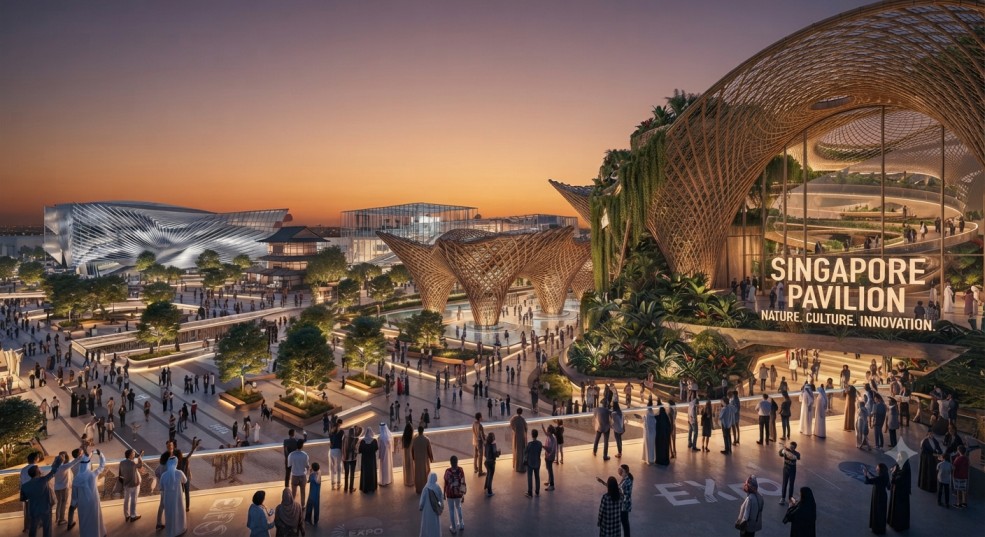
The architecture itself can also become a communication tool. Distinctive structures, dramatic entrances, illuminated branding, large digital displays, and recognisable design elements can help visitors identify the pavilion from a distance.
An International Pavilion Design must communicate effectively to an audience that may come from different countries, languages, industries, and cultural backgrounds.
Visual communication therefore becomes extremely important.
Information should be:
1. Easy to understand
2. Visually organised
3. Available in appropriate languages
4. Supported by graphics
5. Clearly signposted
6. Presented through engaging displays
Trade Show Pavilion Design
A Trade Show Pavilion Design should be developed around the commercial objectives of the participating country.
Trade exhibitions are often focused on specific sectors such as:
· Manufacturing
· Technology
· Automotive
· Healthcare
· Tourism
· Food and agriculture
· Renewable energy
· Infrastructure
· Education
· Defence
· Logistics
· Consumer products
· Financial services
The pavilion can be divided into dedicated sector zones so visitors can easily locate relevant information and companies.
This creates a more organised experience while allowing multiple organisations to participate under one national identity.
Country Pavilion Stand Design for Multiple Exhibitors
In many international exhibitions, a national pavilion may represent several companies or organisations from the same country.
This makes Country Pavilion Stand Design more complex than designing a standard exhibition booth.
The pavilion may need to provide:
1. Individual exhibitor areas
2. Shared branding
3. Central reception
4. Meeting rooms
5. Networking areas
6. Product showcases
7. Storage
8. Hospitality
9. Presentation zones
10. Information counters
The challenge is to provide individual visibility to participating organisations without damaging the overall national identity.
A strong design system can solve this by creating a consistent visual language while giving each participating company an appropriate display area.
Visitor Flow in Country Pavilion Exhibition Design
Visitor movement should be considered from the earliest stage of pavilion planning.
An effective Country Pavilion Exhibition Design should naturally guide visitors through different sections of the space.
A typical visitor journey may include:
Entrance → Welcome Zone → National Story → Interactive Experience → Sector Displays → Business Meetings → Hospitality → Exit
This creates a structured experience instead of allowing visitors to wander without direction.
Clear pathways, open sightlines, attractive focal points, lighting, signage, and interactive displays can all contribute to effective visitor movement.
Importance of Pavilion Lighting
Lighting has a major impact on the appearance of an exhibition pavilion.
The right lighting strategy can highlight architectural features, branding, products, cultural displays, and visitor areas.
A professional lighting plan may include:
· Architectural lighting
· Accent lighting
· LED strips
· Spotlights
· Backlit graphics·
Decorative lighting
· Interactive lighting
· Feature illumination
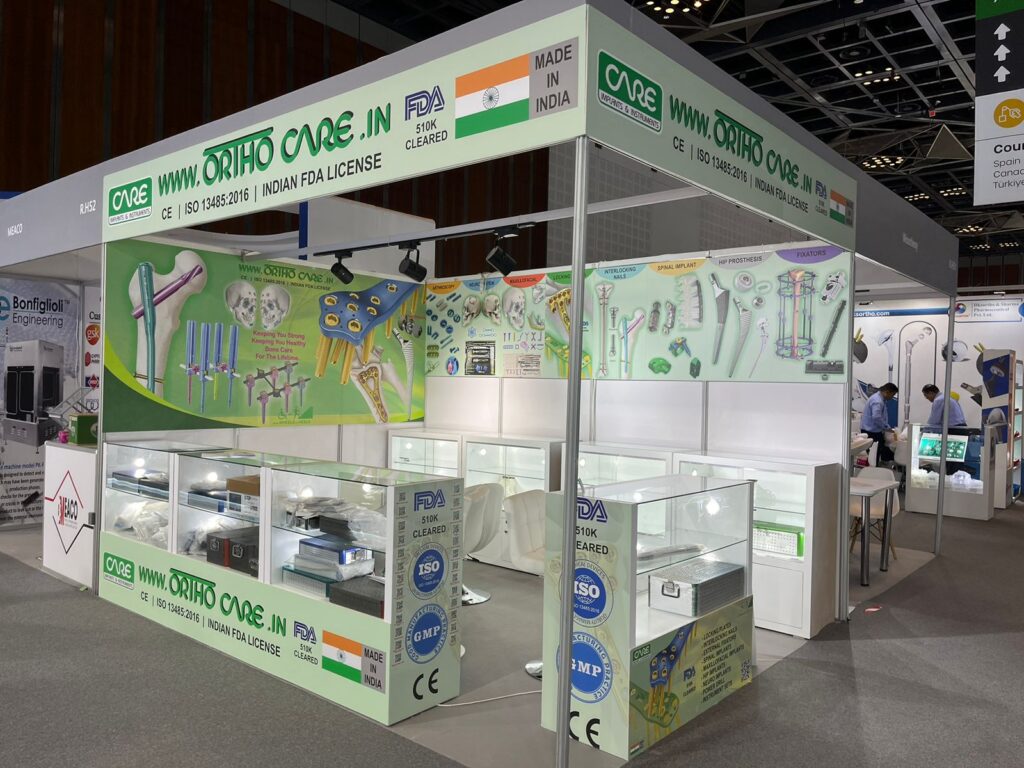
Lighting should not simply make the pavilion brighter. It should create visual hierarchy and direct attention towards important areas.
For example, a country's main logo may receive stronger illumination, while product displays can use focused accent lighting.
Digital Technology in Modern Country Pavilions
Technology has become an important part of contemporary World Expo Pavilion Design.
Digital experiences allow countries to present information in ways that traditional posters and printed graphics cannot achieve.
Modern pavilions can incorporate:
1. Large LED screens
2. Interactive touchscreens
3. Digital walls
4. Projection mapping
5. Augmented reality
6. Virtual reality
7. Motion sensors
8. Interactive tables
9. Digital product catalogues
10. Social media walls
11. Real-time data displays
Technology can also reduce the need for excessive printed information, helping create a cleaner and more modern exhibition environment.
Sustainable Pavilion Exhibition Design
Sustainability is becoming increasingly important in international exhibitions.
A modern Pavilion Exhibition Design can incorporate sustainable principles through material selection, energy-efficient lighting, reusable structures, modular components, and responsible construction practices.
Possible sustainable approaches include:
· Reusable exhibition structures
· Recyclable materials
· Energy-efficient LED lighting
· Modular components
· Low-waste construction
· Sustainable flooring
· Digital information instead of excessive printing
· Reusable furniture
· Responsible material sourcing
Sustainable design can also become part of the pavilion's story, particularly when the country wants to showcase its commitment to environmental innovation.
Why Choose a Professional Country Pavilion Exhibition Design Company?
Designing and constructing a national pavilion requires experience in architecture, branding, exhibition management, engineering, graphics, technology, and project coordination.
A professional exhibition stand builder can manage the complete process from initial concept to final installation.
The process may include:
· Understanding the exhibition objectives
· Researching the target audience
· Developing the pavilion concept
· Creating 3D designs
· Planning visitor flow
· Designing branding and graphics
· Selecting materials
· Planning lighting
· Integrating technology
· Manufacturing components
· Managing logistics
· Installing the pavilion
· Conducting final inspections
· Supporting dismantling after the exhibition
This complete approach helps ensure that the final pavilion delivers both visual impact and practical functionality.
Conclusion
A successful Country Pavilion Exhibition Design combines architecture, branding, technology, culture, storytelling, and business functionality into one powerful exhibition environment. Whether the objective is promoting tourism, attracting investors, showcasing national industries, supporting exporters, or presenting a country's innovation capabilities, the pavilion should provide visitors with a memorable and meaningful experience.
From Country Pavilion Design and National Pavilion Exhibition Design to Expo Pavilion Design, International Pavilion Design, Trade Show Pavilion Design, and World Expo Pavilion Design, every project requires a customised strategy.
A professionally designed pavilion can transform a country's exhibition presence into a powerful platform for communication, networking, business development, and international visibility.